Cell (biology)
The fundamental unit of all known life.

DataBase Center for Life Science (DBCLS) · CC BY 4.0
The cell is the basic structural and functional unit of all forms of life or organisms. The term comes from the Latin word cellula meaning 'small room'. A biological cell basically consists of a semipermeable cell membrane enclosing cytoplasm that contains genetic material. Most cells are only visible under a microscope. Cells emerged on Earth about four billion years ago. Cell theory, developed in 1839 by Matthias Jakob Schleiden and Theodor Schwann, states that all organisms are composed of one or more cells, that cells are the fundamental unit of structure and function in all organisms, and that all cells come from pre-existing cells.
- discovered_by
- Robert Hooke
- cell_theory_developed_by
- Matthias Jakob Schleiden and Theodor Schwann
- cell_theory_year
- 1839
- basic_types
- Prokaryotes and eukaryotes
- earliest_emergence
- About four billion years ago
Lore & Background
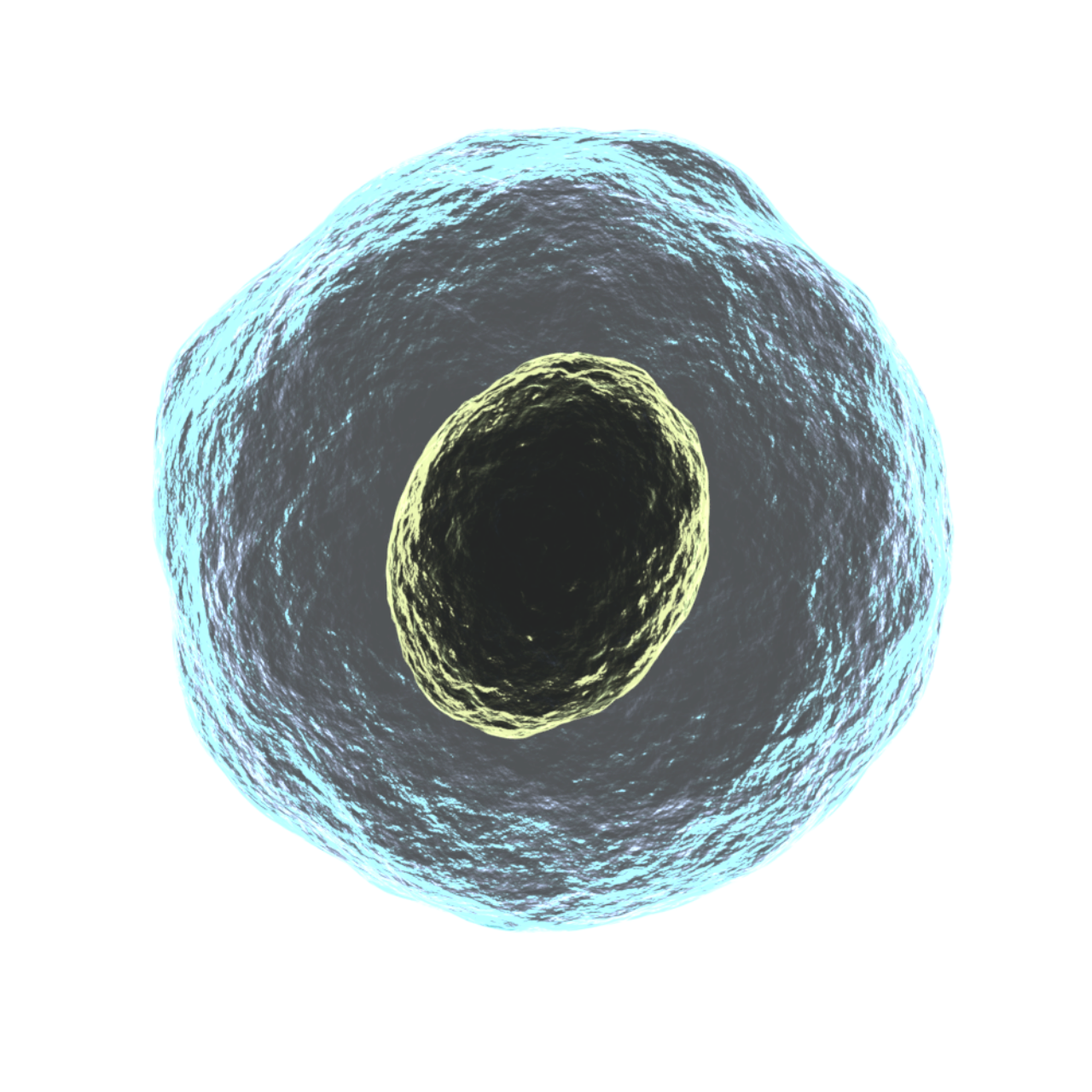
Cells are broadly grouped into prokaryotes and eukaryotes. Prokaryotes are single-celled and include bacteria and archaea, two of the three domains of life. Prokaryotic cells lack a membrane-bound nucleus and have a nucleoid instead. They are simpler and smaller than eukaryotic cells, ranging from 0.1 to 5.0 μm in diameter, though the largest bacterium known, Thiomargarita magnifica, can reach 2 cm. Eukaryotic cells possess a membrane-bound nucleus and other membrane-bound organelles such as mitochondria and, in plants, chloroplasts. Eukaryotes can be single-celled or multicellular; multicellular organisms are made up of many different types of somatic cells, excluding haploid gametes.
Reader's Guide
The cell is the foundational unit of biology, providing the basis for understanding all life processes. The discovery of cells by Robert Hooke and the subsequent formulation of cell theory established that all organisms are composed of cells, that cells are the fundamental unit of structure and function, and that all cells arise from pre-existing cells. This framework underpins modern biology, from microbiology to medicine. The distinction between prokaryotes and eukaryotes highlights fundamental differences in cellular organization, with prokaryotes lacking a nucleus and membrane-bound organelles, while eukaryotes have a complex endomembrane system. The study of cells has led to insights into evolution, disease, and biotechnology. For example, the discovery of unique prokaryotic organelles like magnetosomes in magnetotactic bacteria and the role of plasmids in antibiotic resistance have practical implications. Cell differentiation from a single totipotent zygote into hundreds of cell types is central to development. The cell remains a key focus of research, with ongoing discoveries about its structure, function, and diversity.
Did You Know?
- The term 'cell' comes from the Latin word cellula meaning 'small room'.
- Cells emerged on Earth about four billion years ago.
- The largest bacterium known, Thiomargarita magnifica, can reach 2 cm in length.
- Prokaryotes lack a membrane-bound nucleus and have a nucleoid instead.
The Cell as the Fundamental Unit of Life
The cell occupies a pivotal position in the hierarchy of biological organization, sitting between the molecular world of atoms and the macroscopic world of tissues, organs, and whole organisms. Above it lie populations, communities, ecosystems, and ultimately the biosphere; below it lie the atoms and molecules that constitute its material foundation. This intermediate scale is where the defining properties of living systems first become apparent—adaptation, energy processing, growth, order, regulation, reproduction, and the capacity to respond to environmental change. Biology, as a natural science, investigates these properties through a mechanistic and reductionist approach, yet it also acknowledges that emergent properties arise at each organizational level. The very term "cell" was coined by Robert Hooke, marking one of the earliest formal recognitions that life is built from discrete structural units. Understanding the cell is therefore not merely an exercise in cataloguing parts; it is the essential key to explaining how structure, function, growth, origin, evolution, distribution, and taxonomy interlock across all of life.
Internal Architecture: Organelles and Membranes
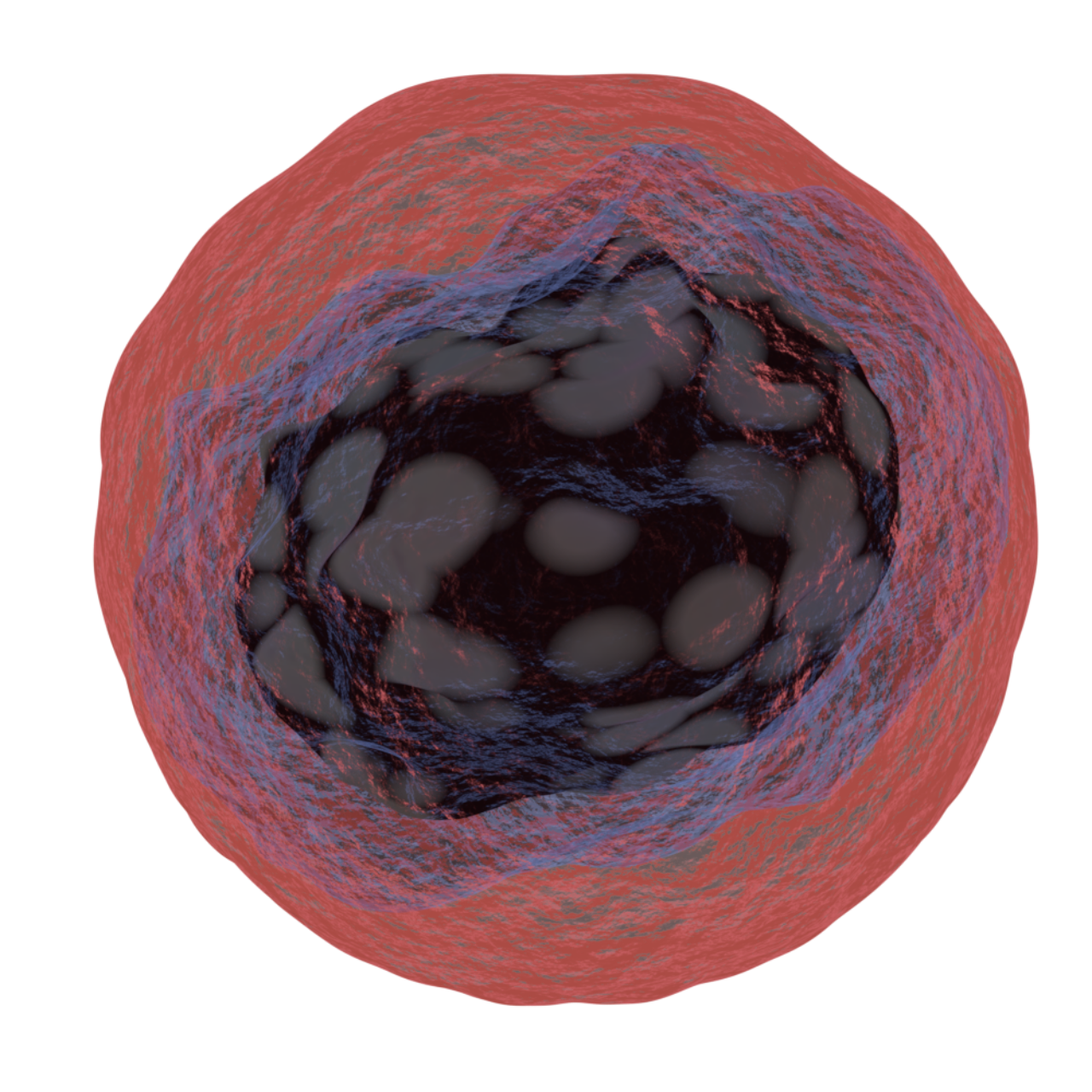
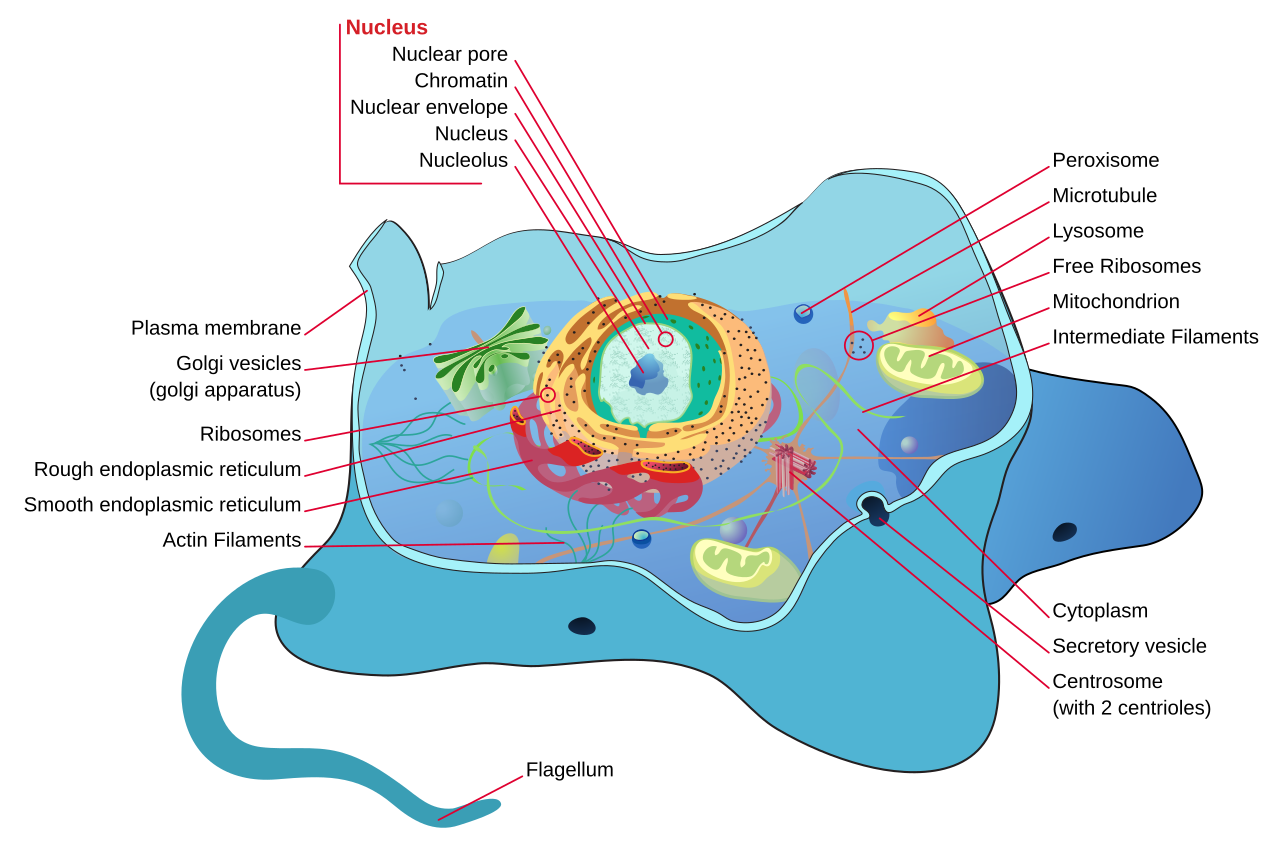
Inside every cell, a remarkable division of labor is maintained by specialized structures. The cytoplasm fills the interior, while organelles such as the vacuole, peroxisome, and plastid perform distinct chemical and storage roles. At the center sits the nucleus, whose nucleoplasm houses chromatin and chromosomes, and whose nucleolus coordinates the assembly of ribosomal components. A continuous network known as the endomembrane system links the nuclear envelope to the endoplasmic reticulum, the Golgi apparatus, vesicles, and lysosomes, creating a pathway for material processing and transport. Two organelles stand out as dedicated energy creators: the mitochondrion and the chloroplast, each bounded by its own membrane. The plasma membrane, mitochondrial membrane, and chloroplast membrane together form the biological membranes that separate the cell's interior from its surroundings and from its energy-producing compartments. Beyond these membrane-bound structures, cells also deploy a cell wall for structural reinforcement, a cytoskeleton for internal scaffolding, a mitotic spindle for chromosome segregation, and motile appendages such as flagella, cilia, and pseudopods for movement and feeding.
Metabolic Engines: Energy, Respiration, and Photosynthesis
The cell's capacity to process energy is underpinned by a tightly coordinated set of metabolic pathways. Enzymes lower the activation energy required for reactions, and phenomena such as cooperativity and proteolysis fine-tune how proteins behave within the cell. In organisms that harvest energy from organic molecules, cellular respiration proceeds through a sequence of stages: glycolysis breaks down sugars, the pyruvate dehydrogenase complex links glycolysis to the citric acid cycle, and the electron transport chain ultimately drives the production of adenosine triphosphate. When oxygen is scarce, fermentation provides an alternative route for regenerating the electron carriers needed to keep glycolysis running. In photosynthetic cells, the process runs in the opposite direction. Light-dependent reactions capture solar energy, and the Calvin cycle uses that energy to fix carbon into organic compounds. Together, respiration and photosynthesis represent the two great metabolic engines that power nearly every ecosystem on Earth, linking the cell's internal chemistry to the global flow of energy and matter.
Division, Death, and the Cell Cycle
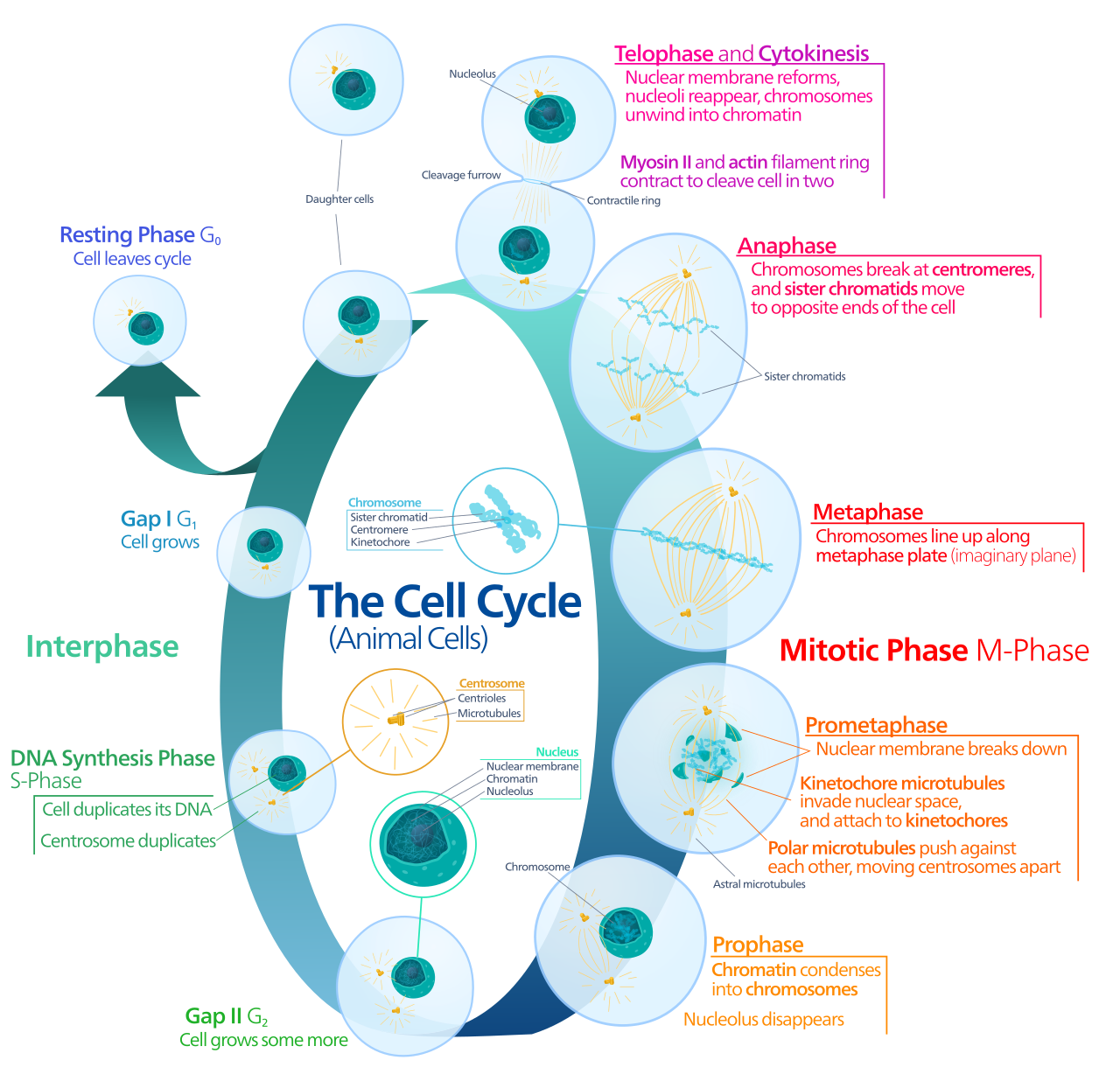
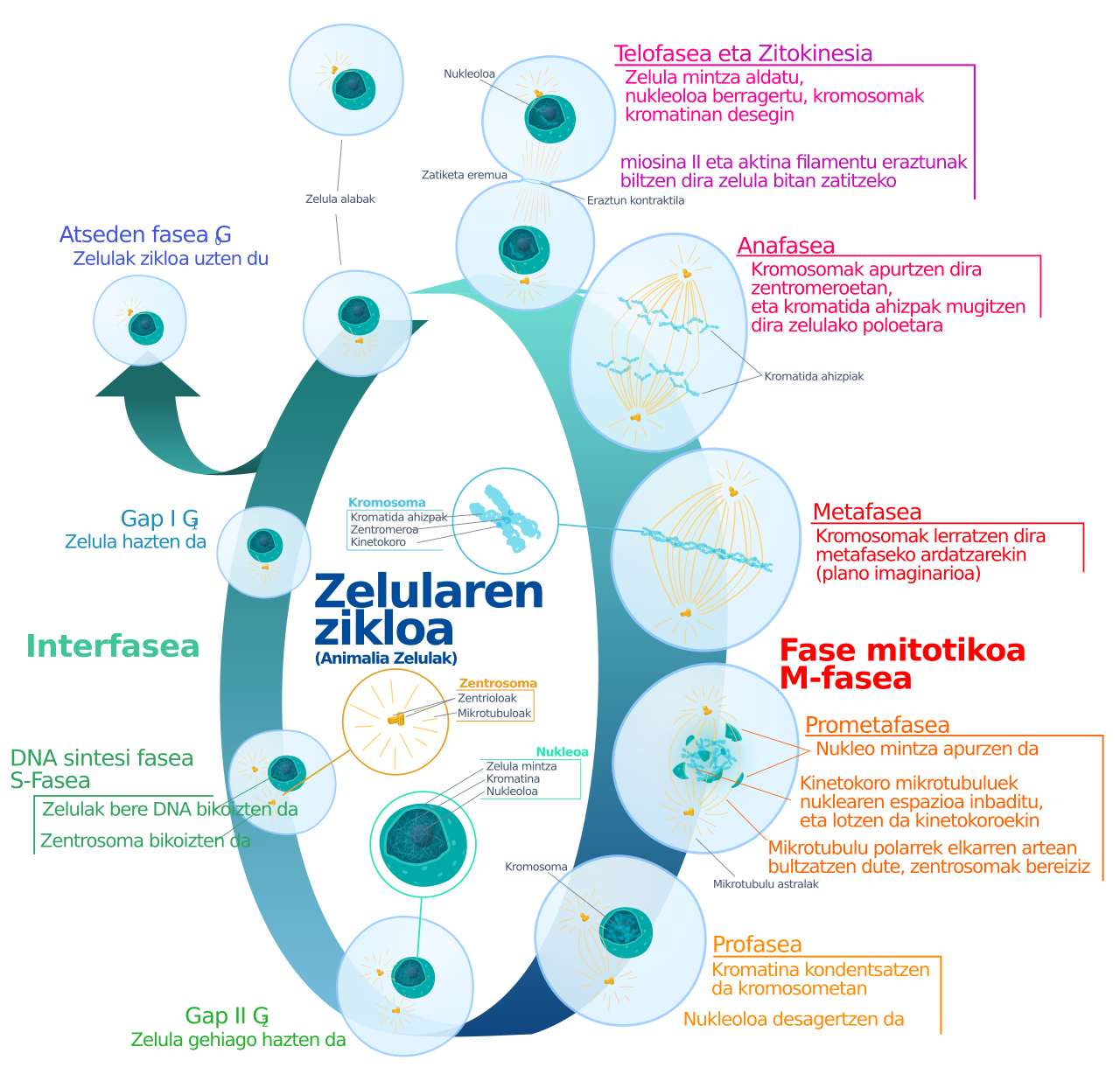
A cell's life is governed by a precisely ordered cycle that alternates between growth, division, and, in many cases, programmed self-destruction. The cell cycle encompasses interphase, during which the cell grows and duplicates its chromosomes, followed by mitosis—prophase, metaphase, anaphase, and telophase—where chromosomes are segregated into two daughter nuclei. Cytokinesis then physically splits the cytoplasm, and the centromere plays a critical role in ensuring accurate chromosome partitioning. For sexual reproduction, meiosis reduces the chromosome number from diploid to haploid, introducing genetic variation through recombination. Cells also move materials across their membranes by diffusion, osmosis, active transport, and phagocytosis, maintaining the isotonic or controlled osmotic conditions needed for survival. Not all cells divide indefinitely. Programmed cell death, or apoptosis, and the gradual decline known as cell senescence ensure that damaged or unnecessary cells are removed, preserving the integrity of tissues and organisms.
Gallery

Frequently Asked Questions
What is a cell in animal anatomy?
A cell is the smallest building block that makes up every living organism, serving as both the structural and functional unit of life. It is essentially a tiny compartment bounded by a semipermeable membrane that holds cytoplasm and genetic material inside.
Who first discovered the cell?
Robert Hooke is credited with first observing and coining the term for the cell in the 17th century. The word itself derives from the Latin 'cellula,' which simply means a small room.
What are the two basic types of cells?
All known cells fall into one of two broad categories: prokaryotes, which lack a membrane-bound nucleus, and eukaryotes, which house their genetic material inside a defined nuclear envelope.
How long have cells existed on Earth?
Cells first emerged roughly four billion years ago, making them the oldest known form of life on our planet. Every organism alive today, from single-celled bacteria to complex animals, is built from these ancient units.
What is cell theory and who established it?
Cell theory, formalized in 1839 by Matthias Jakob Schleiden and Theodor Schwann, laid out three core principles: all organisms are made of one or more cells, the cell is the fundamental unit of structure and function, and cells arise from pre-existing cells. It remains the foundational framework for understanding animal and all other anatomy.
More in Animal Anatomy 1-17
Spotted an error? Know more?
This is a living reference — every entry is fact-audited, and reader corrections feed straight into our audit queue. Suggest an edit · See this site's audit record